


-

Add: HeBei ShengShi HongBang Cellulose Technology CO.,LTD.
-

Email
13180486930@163.com -

CONTACT US
+86 13180486930

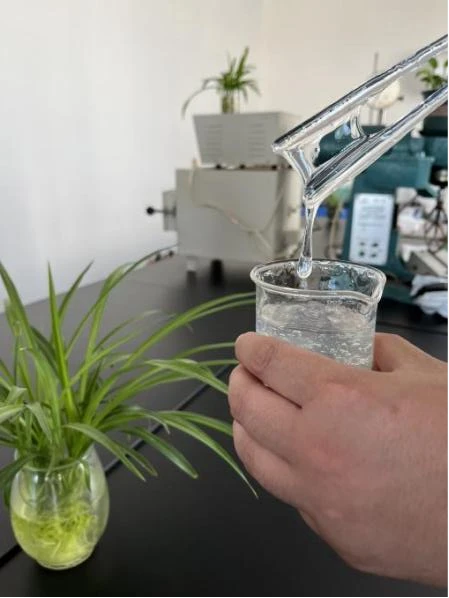



Hydroxypropyl methylcellulose (HPMC) is widely recognized as a versatile compound that finds its application across various industries. Preparing HPMC solutions is paramount for ensuring its effective performance, whether in pharmaceuticals, food processing, or construction. This article sheds light on the expertise required, authoritative guidelines, and trustworthy methodologies associated with HPMC solution preparation. Experience in HPMC solution preparation reveals that the process is both an art and a science, demanding precision and knowledge. Users often face challenges such as insolubility, clumping, or achieving the desired viscosity. These challenges can be mitigated by following specific preparation steps . Here, I will share a streamlined process derived from years of hands-on experience 1. Selection of Grade The choice of HPMC grade significantly influences the end properties of the solution. Different grades offer varying viscosities and gel temperatures, making it crucial to consult technical specification sheets provided by manufacturers to select the right grade for your application needs. 2. Water Quality The quality of solvent, usually water, plays a critical role. Using deionized or distilled water enhances solubility and prevents any potential reactions from contaminants. Experience confirms that temperature-controlled environments boost the solubility rate and uniformity of HPMC throughout the solution. 3. Dispersion Technique Accurate dispersion ensures the complete hydration of HPMC without forming clumps. Begin by sprinkling HPMC slowly into the solvent while stirring continuously. An authoritative tip involves using mechanical stirrers to maintain a consistent dispersal, achieving a lump-free solution efficiently. 4. Temperature Control The temperature of the solvent should be monitored closely. HPMC tends to dissolve better in cold water. By initially employing cold water to disperse the HPMC and later heating it up if the application demands a higher temperature, one can secure optimal results. hpmc solution preparation 5. Hydration Time Time is a crucial factor in preparing an HPMC solution. Allow the solution to hydrate fully, which might take several hours depending on the grade and environmental conditions. Patience is key as incomplete hydration could result in suboptimal solution properties. 6. pH Adjustment For applications requiring specific pH levels, adjust the pH of the solution after full hydration. Different grades of HPMC might react differently to pH adjustments, so it's advisable to conduct small-scale tests before full-scale operations. From a professional standpoint, the expertise of troubleshooting common issues cannot be overstated. In some cases, adding a non-ionic surfactant can assist in reducing surface tension and improving solubility. Furthermore, employing an industrial homogenizer can yield a finer, more consistent HPMC solution in high-demand applications. To establish authority in the preparation of HPMC solutions, it’s paramount to adhere to standardized practices as endorsed by industry leaders. Following guidelines from entities like the United States Pharmacopeia (USP) can ensure compliance and efficacy in pharmaceutical applications. Maintaining a record of every batch's preparation details ensures traceability and identifies areas for future optimization. Trustworthiness is built through consistency and transparency. Regularly testing and documenting the rheological properties of prepared solutions guarantees batch-to-batch uniformity. For enhanced credibility, consider third-party verification from accredited laboratories to validate the effectiveness and safety of the final solution. In conclusion, HPMC solution preparation demands a blend of practical experience, specialized knowledge, and adherence to authoritative protocols. By following these best practices, one can ensure the creation of high-quality HPMC solutions suitable for a variety of applications, ultimately fostering trust and reliability in the end product.
- 40000tons

Production
- 20+years

Experience
- 5000+㎡

Acreage

-
Understanding the distinctions between HPMC K and E series is critical for various industries, such as pharmaceuticals, food, and construction, where these compounds play pivotal roles. Hydroxypropyl methylcellulose (HPMC) is a versatile material with broad applications due to its unique properties. Both K and E series differ primarily in their methoxy and hydroxypropyl content, impacting their solubility, viscosity, and gelation properties, which ultimately influence their suitability for specific applications. The K series of HPMC is characterized by higher methoxy content compared to the E series. This feature significantly affects its water solubility, gelling temperature, and viscosity. Due to its distinct solubility profile, the K series is often favored in applications requiring rapid dissolution in cold water, making it particularly useful in pharmaceutical industries for sustained-release formulations. For instance, in oral drug delivery systems, the release rate of active ingredients can be meticulously controlled using K series HPMC, providing consistent therapeutic effects. Its higher gelation temperature is suitable for formulations that require stability at higher temperatures, reducing the risk of premature gelation during processes such as granulation and tableting. Conversely, the E series contains a higher proportion of hydroxypropyl groups, influencing its viscosity and thermal gelation properties. This series is known for forming viscous solutions at lower concentrations, which is advantageous in applications where higher viscosity is needed without adding excess material. Its lower gelling temperature and increased swellability make it ideal for use in environments that require quick formation of a gel-like texture, such as in food products. The E series can enhance the texture and thickness of sauces and dressings, providing a desirable mouthfeel and stability over extended shelf-life periods. difference between hpmc k and e series In the construction industry, the adhesive and film-forming properties of both HPMC K and E series are exploited in applications like tile adhesives and cement renders. The K series, with its rapid solubility, is often utilized in formulations that require quicker setting times. It improves workability and open time, ensuring that construction professionals have enough time to adjust and position materials accurately, while still benefiting from strong adhesion once cured. The E series, due to its ability to form thick gels, is valuable in applications demanding high water retention and resistance to sagging during drying. Professionals across diverse industries must recognize that the selection between HPMC K and E series should be guided by specific application requirements such as solubility, viscosity, gelling temperature, and regulatory compliance. Understanding these properties and their implications for product performance can lead to optimized formulations that meet stringent industry standards and consumer expectations. Engaging with experienced suppliers who can provide detailed technical specifications and support is essential for making informed decisions . Furthermore, pilot testing and in-situ evaluations remain prudent practices to validate the suitability of HPMC grade selections under real-world conditions, ensuring that the final product delivers reliable performance. The nuances between HPMC K and E series underscore the importance of meticulous selection in achieving desired outcomes across varied applications. As industries continue to innovate, the adaptability and distinct characteristics of HPMC will likely contribute to novel uses, expanding its functional potential and reinforcing its integral role in modern material science.
-
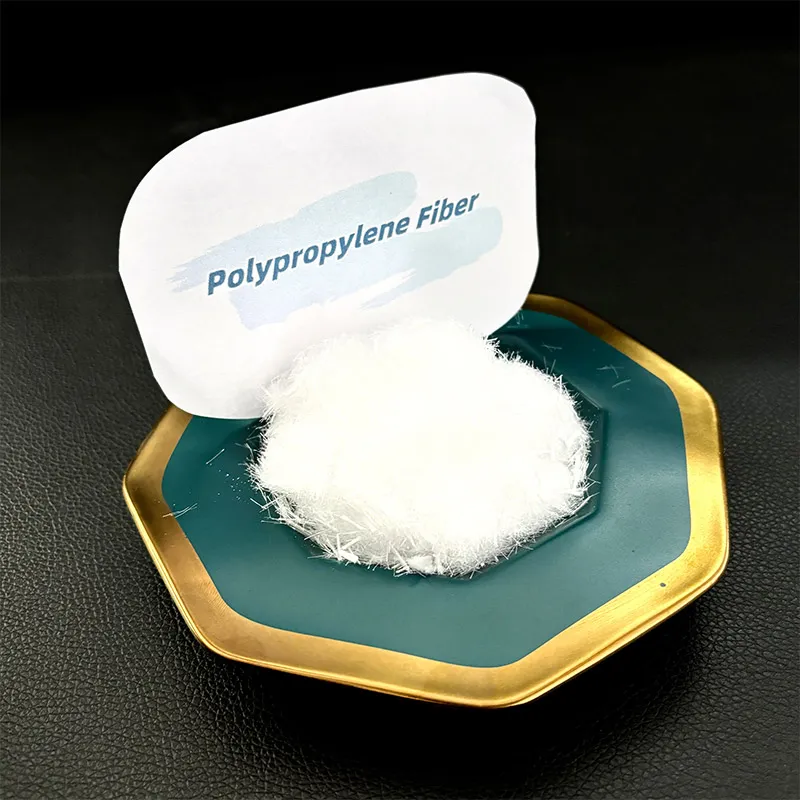
Polypropylene fiber is a versatile, durable material that is used in a variety of applications across multiple industries. Known for its excellent resistance to wear, moisture, and chemicals, polypropylene fiber provides strength, flexibility, and longevity to the products it’s used in. Whether you're in the construction, textile, or automotive industry, polypropylene fiber can improve the overall quality of your products. From reinforcing concrete to enhancing fabric durability, polypropylene fiber is the perfect solution for creating high-performance, long-lasting materials. Discover the benefits of polypropylene fiber and see how it can elevate your product offerings. Explore the Many Polypropylene Fiber Uses in Various Industries Polypropylene fiber uses are wide-ranging and highly valuable across many sectors. In the construction industry, polypropylene fiber is often used to reinforce concrete, improving its tensile strength and reducing the likelihood of cracks. This type of fiber also helps prevent shrinkage and enhances the durability of the material. Polypropylene fiber uses extend to textiles, where it is used in carpets, upholstery, and clothing due to its ability to resist moisture and stains. The automotive industry also benefits from polypropylene fiber , which is used in interior parts and insulation materials. By incorporating polypropylene fiber into your products, you can enhance their performance, durability, and overall quality. Get the Best Polypropylene Fiber Price for Your Needs When sourcing polypropylene fiber , understanding the polypropylene fiber price is key to maintaining your budget while ensuring top quality. The polypropylene fiber price varies based on factors such as the type of fiber, quantity, and specific application. However, we offer highly competitive prices that allow you to get the best value for your investment. Whether you're purchasing in bulk or small quantities, our pricing is designed to meet your needs without compromising on quality. We aim to provide affordable, high-performance polypropylene fiber that delivers exceptional results for your business. Contact us today to learn more about polypropylene fiber price and how we can help you save on your next order. Work with Trusted Polypropylene Fiber Suppliers for Consistent Quality Choosing the right polypropylene fiber suppliers is essential to ensuring that you receive a reliable, high-quality product. As one of the leading polypropylene fiber suppliers , we provide a wide range of polypropylene fiber s tailored to various applications. Our fibers are produced using advanced technologies and undergo stringent quality control to ensure consistency and performance. We understand the importance of delivering products that meet your specifications, which is why we work closely with you to offer customized solutions that suit your needs. Partner with us as your trusted polypropylene fiber suppliers and benefit from our reliable service, fast shipping, and top-tier products. Why Choose Us for Your Polypropylene Fiber Needs? When it comes to sourcing polypropylene fiber , we are your go-to partner for reliable, high-performance products at the best polypropylene fiber price . As experienced polypropylene fiber suppliers , we offer a wide range of products for diverse industries such as construction, textiles, and automotive. Our commitment to quality, customer satisfaction, and competitive pricing sets us apart from the competition. Whether you need polypropylene fiber for a large-scale project or a smaller specialized order, we have the expertise and resources to meet your needs. Choose us for all your polypropylene fiber requirements and experience unmatched quality and service.
advantages
-

200000 Viscosities
Excellent product
We can produce pure products up to 200,000 viscosities
-

40000 tons
High yield
We don’t stop production all year round, and the annual output can reach 40,000 tons
-

24 hours
Quality service
We provide 24-hours online reception service, welcome to consult at any time
———— Inquiry Form
Schedule A services
-
 hpmc_side_effects
Oct . 25, 2025
The Importance of Wood Cellulose in Modern Applications Wood cellulose, an organic compound derived -
 pp_fiber_manufacturers
Oct . 25, 2025
Navigating the ever-evolving landscape of recycled rubber powder pricing demands a nuanced understan -
 hydroxy_starch
Oct . 25, 2025
Hydroxypropyl Methylcellulose, commonly referred to by its INCI name HPMC, is an ingredient widely u


